Fingertip Pulse Oximeters: What Can Affect the Reading at Home
A fingertip pulse oximeter is easy to use, but cold fingers, nail polish, movement and light can upset the reading. Here is what to watch for at home.
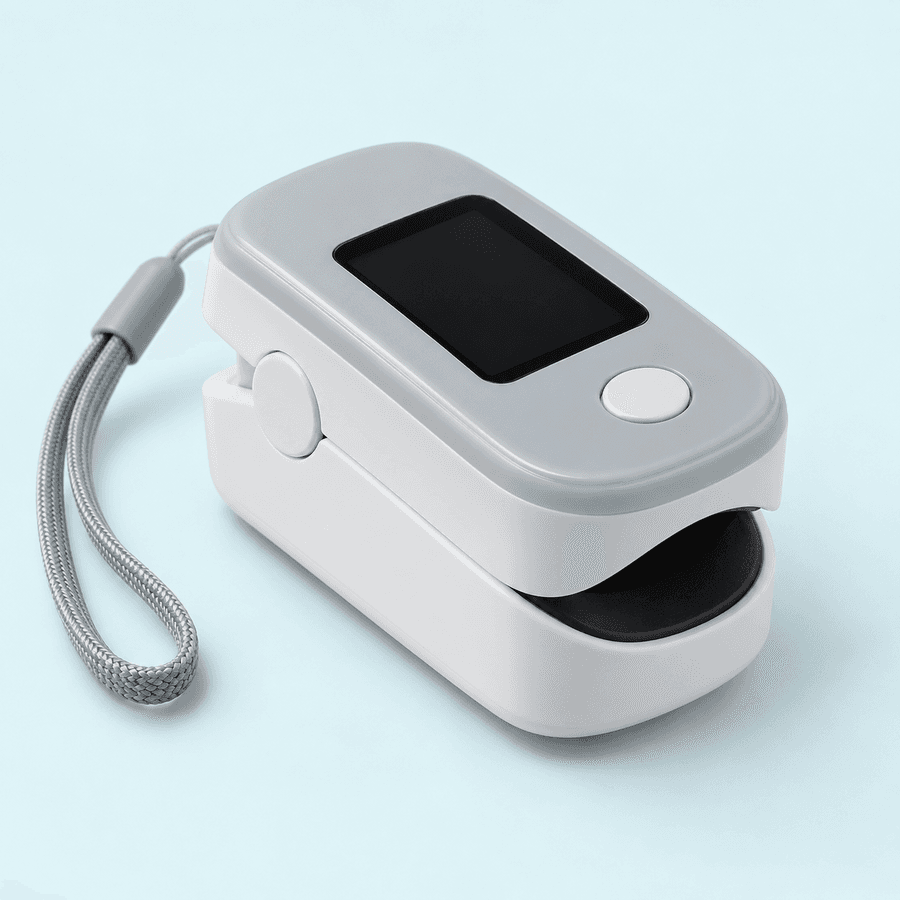
A fingertip pulse oximeter looks like the simplest gadget in the house: clip it on, wait, read. Because it is so easy, families often trust the first number that appears. In reality, several everyday things can upset the reading, from cold fingers in an air-conditioned room to a fresh coat of nail polish. Knowing them helps you get a steadier number before you note it down or call the clinic.
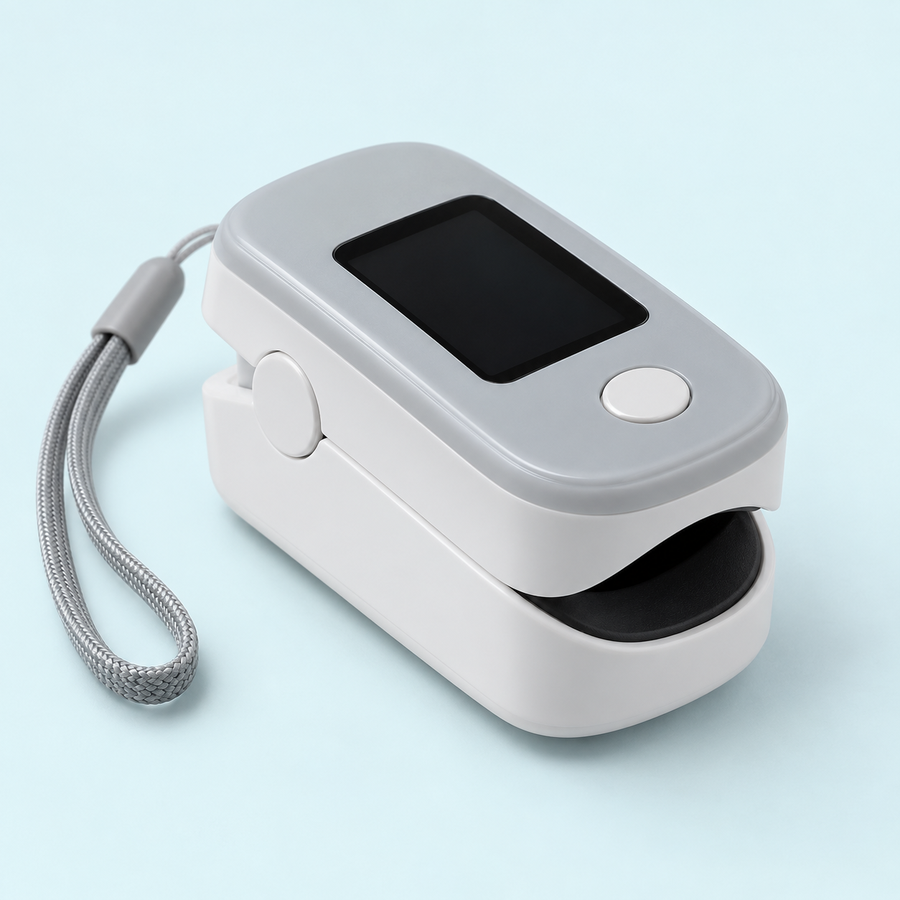
How a fingertip oximeter works
Inside the clip, a small light shines through the fingertip to a sensor on the other side. Blood carrying more oxygen absorbs light a little differently from blood carrying less. The device compares the two and shows an estimate of oxygen saturation, usually labelled SpO2, along with the pulse rate.
Why this matters for accuracy
Because the oximeter depends on light passing cleanly through a finger with good blood flow, anything that blocks the light or reduces circulation can affect it. The device is not wrong in those moments; it simply cannot see well.
An estimate, not a lab test
A home oximeter gives a useful estimate for tracking, not the same result as a blood test in hospital. Treat the number as one piece of information to share with the doctor, who knows the person's condition and sets any targets.
Things on and in the finger
Most odd readings come down to the finger itself. Before blaming the device, take a look at the hand you are using.
Nail polish, henna and artificial nails
Dark nail polish, gel nails and acrylic extensions can block some of the light. Henna from a wedding or Hari Raya can do the same. If possible, use a finger without polish, or remove the polish on one finger kept for measuring. Some people also turn the clip sideways on the finger, but follow what the instruction booklet says.
Cold hands and poor circulation
Cold fingers are very common in Malaysian homes where the aircond runs all night. When hands are cold, blood flow to the fingertips drops and the oximeter may struggle to pick up a signal. Warm the hands first by rubbing them together, holding a warm cup or simply moving to a warmer room.
Other things worth knowing
- Calluses or thick skin on the fingertip can weaken the signal.
- Shaking hands or a tremor can make the reading jump.
- Research has found some oximeters may read less accurately on darker skin tones; mention this to the doctor if readings seem inconsistent.
- A finger that is too small or too large for the clip may not sit properly, which matters for children and very slim elderly hands.
Movement, position and light
An oximeter needs a few seconds of calm to settle. Movement, odd positions and strong light around the clip are the next most common causes of a strange number.
Keep still and keep the hand low
Ask the person to sit, rest the hand on their lap or a table, and keep it still. Avoid measuring while they walk around, talk with their hands or tap on a phone. Resting the hand around chest level or slightly lower usually works better than raising it in the air.
Bright light around the clip
Strong sunlight from a window or a bright lamp shining directly on the clip can interfere with the sensor. Push the finger fully into the clip so the light source sits over the nail bed, and measure away from direct sunlight.
Right after activity
Readings taken straight after climbing stairs, a shower or a coughing fit may not reflect the person at rest. If the doctor wants resting readings, wait a few minutes after any activity before clipping it on.
Reading the display properly
The first number on screen is rarely the one to write down. The device needs a little time to find a steady signal.
Wait for the reading to settle
Leave the oximeter on for a short while after the numbers first appear and watch them settle. Many devices show a pulse bar or waveform; a regular, steady pattern suggests a good signal, while a flat or jumpy pattern suggests the finger, movement or light needs another look.
Check the pulse number too
If the pulse rate shown is very different from what you can feel at the wrist, the device may not be reading properly. Try another finger, warm the hand and measure again.
When a reading worries you
If readings stay unusual after you have fixed the common causes, or the person looks or feels unwell, contact the doctor or clinic. Do not wait for the oximeter if someone is struggling to breathe, confused or has blue lips; seek urgent medical help.
Look after the device
A dirty sensor or weak batteries can also cause trouble. Wipe the inside of the clip gently with a soft cloth as the booklet describes, keep the oximeter in its pouch away from heat and humidity, and replace the batteries when the low-battery sign appears. Shared devices should be cleaned between family members.
Choosing an oximeter for home
For home use, look for a clip that fits the hands in your family, a display that is easy to read from different angles, and simple one-button operation. Families caring for someone with a breathing condition often keep one beside the bed and one in the travel bag.
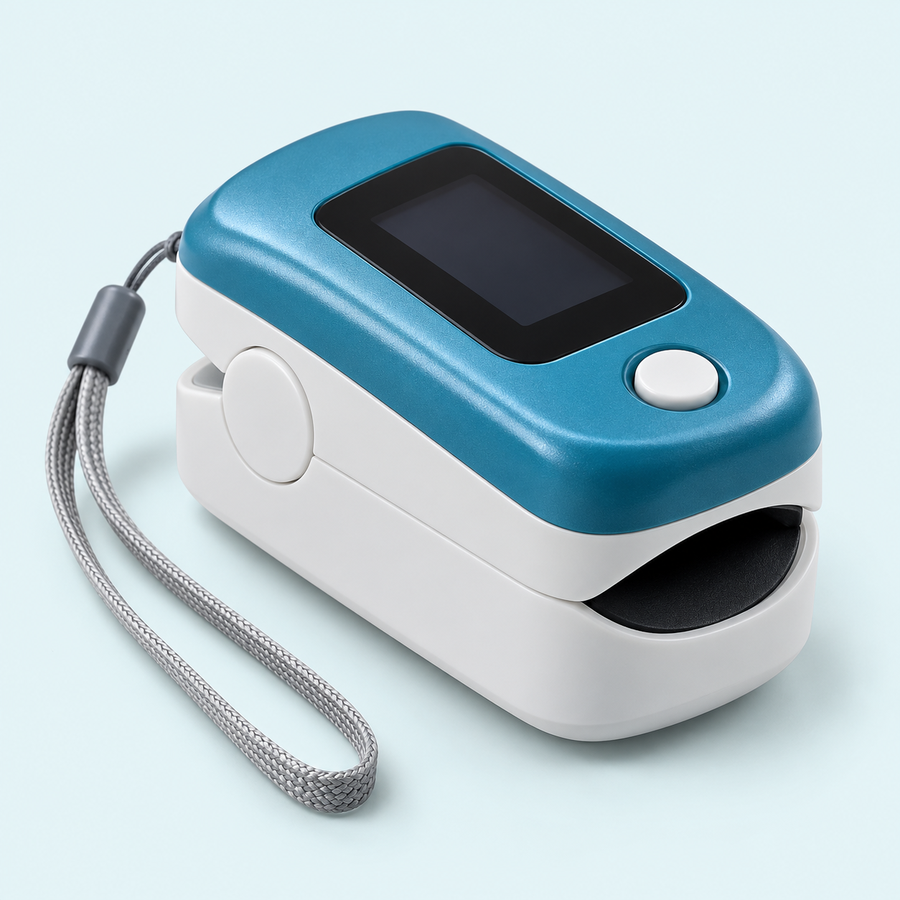
Yuwell YX301 and YX302
Our fingertip oximeters include the Yuwell YX301 and YX302. Features for the exact model are confirmed on WhatsApp, so you can pick the one that suits the person using it. Many families pair an oximeter with an item from our oxygen concentrators range; see the full catalogue for the rest of the home care range.
Delivered across Malaysia
We deliver across Malaysia, including Shah Alam, George Town and Kuantan. Ordering for a parent in another town is common; just give us their address when you message.
This article is general information, not medical advice. Readings are for the doctor to interpret.
Not sure which oximeter suits your family? Message our team on WhatsApp: Check Availability