Using a Compressor Nebuliser at Home With Young Children
Nebuliser sessions with a toddler can feel like a battle. Here is how parents set up, choose a mask or mouthpiece, keep the child calm, and clean the kit after.
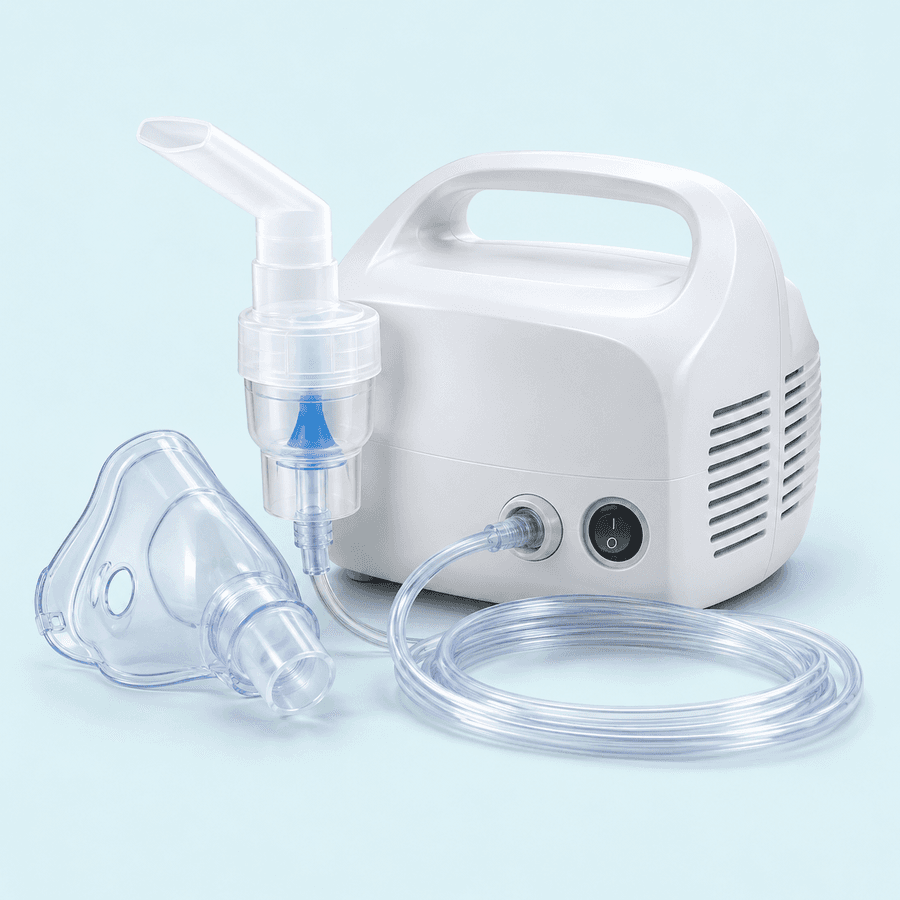
For many Malaysian parents, the first nebuliser session at home happens after a clinic visit, with a coughing child and a machine nobody has used before. The noise, the mist and the mask can frighten a toddler. The good news is that a little preparation makes sessions much calmer for everyone. This guide covers the practical side: setting up, getting a child comfortable, and keeping the kit clean.
This article is general information, not medical advice. What goes into the nebuliser, how much and how often is set by your child's doctor or pharmacist; this guide does not cover medicines.
Before you start
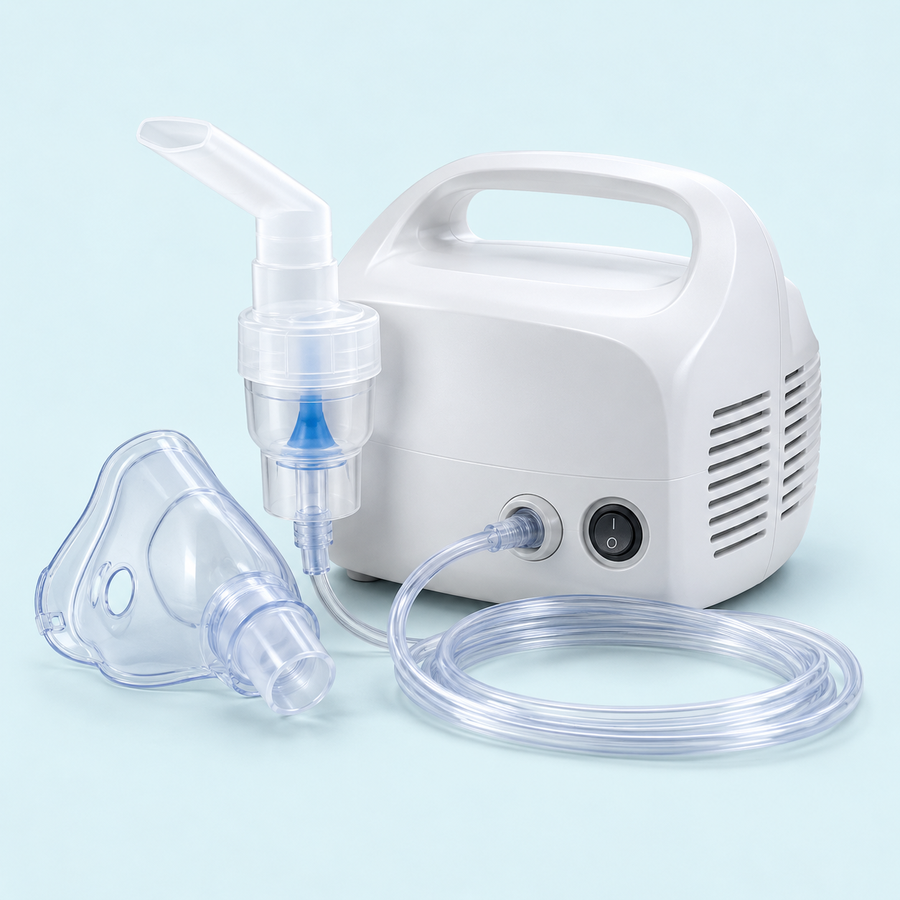
A compressor nebuliser turns liquid into a fine mist that the child breathes in through a mask or mouthpiece. The machine is simple, but the first few sessions go better when everything is ready before the child sits down.
Set up in one spot
Choose a place near a power point where the machine can sit on a flat, stable surface, such as a side table next to the sofa. Keep it out of reach of little hands that like to pull cables. Have the tubing, mask, medicine cup and a towel laid out so you are not searching for parts while the child waits.
Read the booklet together
Go through the instruction booklet once with your spouse or whoever helps at home. Learn how the parts connect, where the filter sits and how to switch the machine on and off. Ask the clinic or pharmacist to show you how to fill the cup if you are unsure.
Let the child meet the machine first
Before the first real session, let the child see and touch the mask while the machine is off. Put the mask on a teddy bear, then on yourself. Turn the machine on briefly so the child hears the sound in a relaxed moment, not only when they are unwell.
Mask or mouthpiece
Most nebuliser kits include a mask and some include a mouthpiece. Which one suits depends mostly on the child's age and how well they can follow instructions. The clinic may recommend one; follow their advice.
Masks for babies and toddlers
Young children usually use a mask, because they cannot yet hold a mouthpiece and breathe through it steadily. A mask that fits the face well covers the nose and mouth without gaps, and the elastic strap holds it in place without pressing too hard. A mask that is too big lets the mist escape around the edges.
Mouthpieces for older children
Older children who can sit still and breathe through their mouth may manage a mouthpiece. Many school-age children prefer it because it feels less closed-in. Show them how to seal their lips around it and breathe normally.
Check the size
Child and adult masks are different sizes. If the kit only came with one size, ask whether a child mask is available for your model.
Keeping a young child calm
Most parents find the hardest part is not the machine, it is the child. A calm, upright child makes the session easier for everyone.
Position and comfort
Sit the child upright on your lap or in a small chair, rather than lying flat. Holding them facing outward on your lap lets you hold the mask gently in place while they watch something. Keep the nebuliser cup upright as the booklet shows.
Distraction that works
- A favourite cartoon on the tablet, saved only for nebuliser time.
- A picture book read aloud by a sibling or grandparent.
- A simple sticker chart for each finished session.
- Singing a song the child knows, so the noise becomes part of a game.
- Letting the child hold the tubing or "help" switch on the machine.
When they cry or refuse
Crying children breathe in short gulps, so a session done during a tantrum is hard work for everyone. Pause, calm them, then try again. If sessions are a struggle every time, tell the doctor or nurse; they can suggest other ways or check whether the mask suits.
Cleaning and drying the kit
Nebuliser parts stay warm and damp after use, which is exactly what germs like. A simple cleaning habit protects the child and keeps the machine working.
After each session
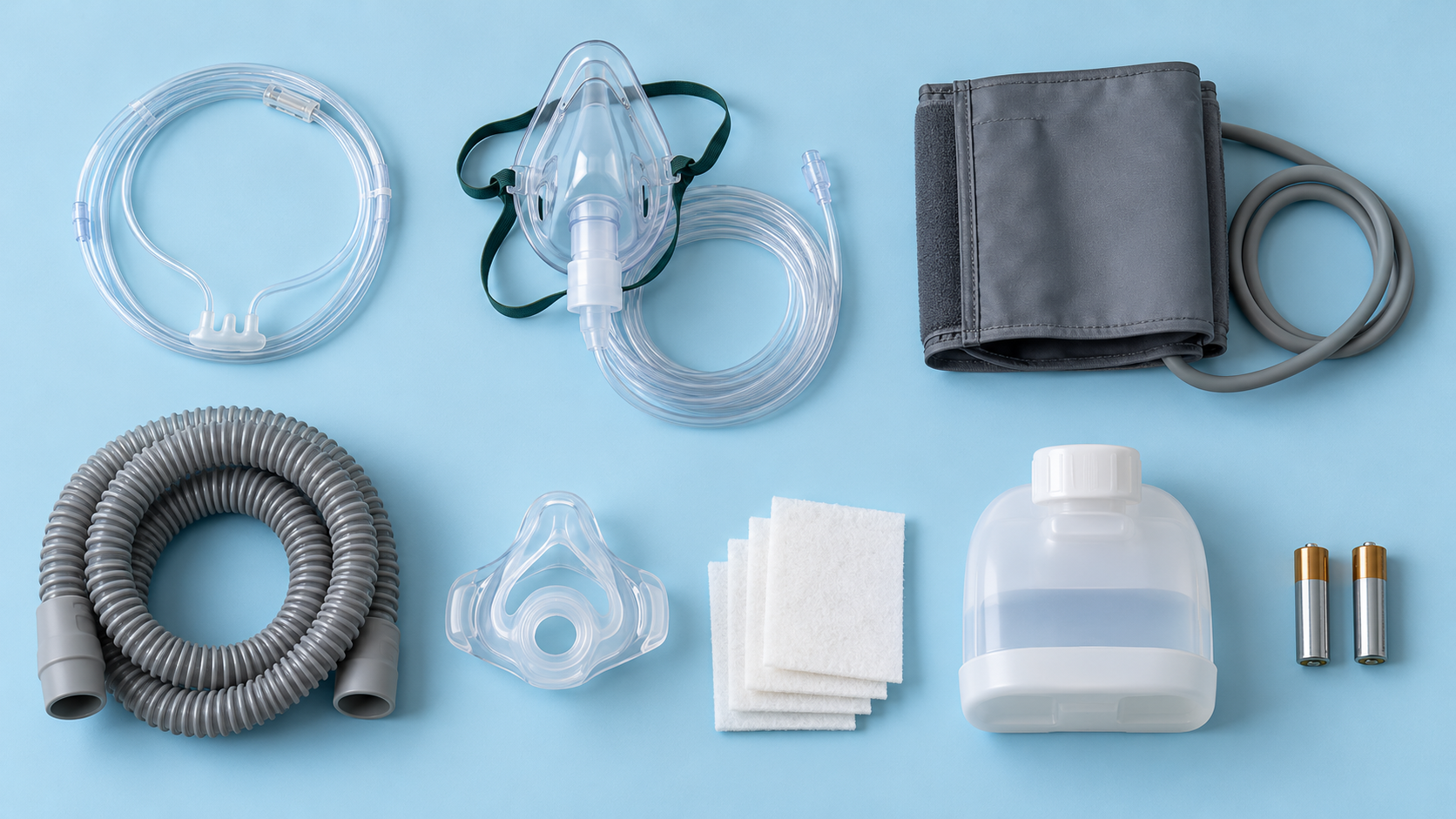
Switch off and unplug the machine. Take the cup apart, empty anything left in it, and wash the cup and mask as the booklet describes, usually with warm water and a mild soap. Rinse well. Do not wash the tubing unless the booklet says so; water trapped inside is hard to dry.
Drying properly
Shake off the water and let the parts air-dry on a clean towel, away from the kitchen sink and out of direct sun. In humid Malaysian weather this can take a while, so wash early rather than just before bed. Store dry parts in a clean, closed container or bag.
Filters and replacement parts
The air filter on the compressor and the cup, mask and tubing all wear over time. Check the booklet for when to replace them, and replace any cracked or cloudy parts sooner. Each child should have their own mask and cup if siblings share the machine.
Choosing a nebuliser for home
For a family with young children, look for a machine that is easy to assemble, has a mask suitable for children, and is quiet enough to use in a shared room. Compressor nebulisers are a common choice for home use.
The Yuwell 403T
Our nebulisers include the Yuwell 403T compressor nebuliser. Which masks come in the box for the exact model is confirmed on WhatsApp, so you know whether a child mask is included. Browse the full product range or read the home equipment buying guide for more help.
Delivery across Malaysia
We deliver across Malaysia, including Melaka, Seremban and Kota Bharu. Let us know the child's age when you message so we can check the mask options with you.
Want to check which masks come with the 403T? Message our team on WhatsApp: Check Availability