Measuring Blood Pressure at Home: Habits for a Reading You Can Rely On
A home blood pressure reading is only as useful as the habits behind it. Here is how to rest, sit, place the cuff and time each reading at home.
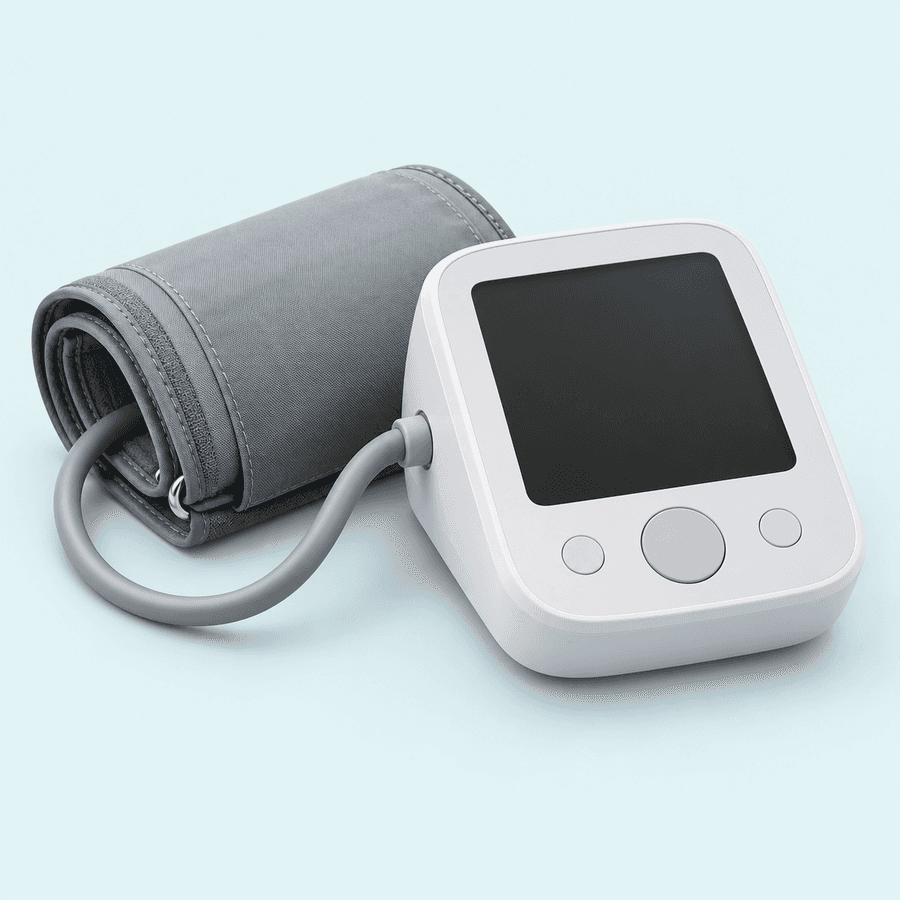
Many families in Malaysia now keep a blood pressure monitor at home for a parent or grandparent. The machine does the measuring, but the habits around each reading decide whether the number is worth writing down. This guide walks through the small things that make home readings steady and comparable from one day to the next.
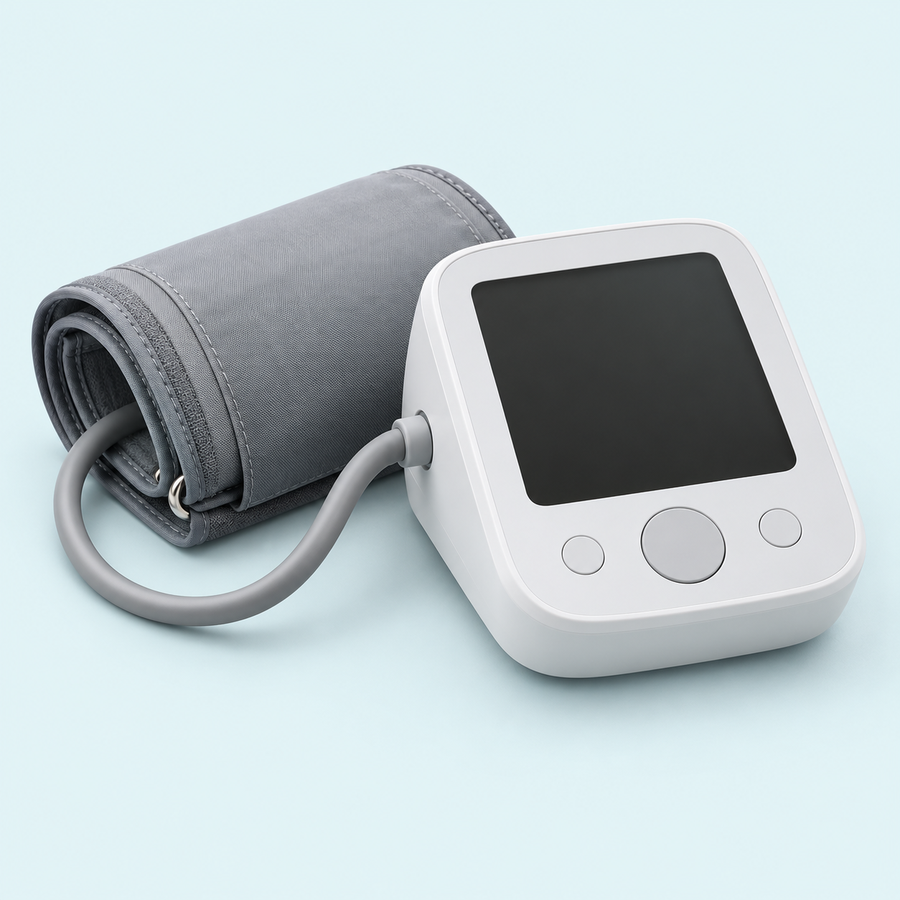
Before you measure
Blood pressure moves all day. It rises when you climb the stairs, argue about the TV remote or rush to answer the door. A home reading is meant to capture a calm, resting moment, so the minutes before you press the button matter as much as the measurement itself.
Rest quietly first
Ask the person to sit down and rest for a few minutes before the cuff goes on. No phone calls, no chatting, no scrolling through a heated family group chat. If they have just walked in from the car park or finished a meal, give them a little longer. The doctor or clinic may tell you exactly how long to rest; follow that if they do.
Things to skip beforehand
Coffee, teh tarik, cigarettes and exercise can all nudge a reading upward for a while. So can a full bladder. A simple routine helps: go to the toilet, sit down, wait, then measure.
A quick checklist
- Empty the bladder first.
- Avoid caffeine, smoking and exercise shortly before measuring.
- Sit in a quiet room with the aircond at a comfortable setting.
- Keep the monitor, cuff and notebook within reach so nobody has to get up.
Posture and cuff placement
How the person sits changes the number. Slumping on a soft sofa or perching on the edge of the bed is not the same as sitting properly at a table, and the difference can be enough to make readings look inconsistent.
Sit properly at a table
Use a dining chair with a back. Feet flat on the floor, legs uncrossed, back supported. Rest the arm on the table so the cuff sits roughly level with the heart. A cushion under the forearm helps if the table is low. The person should stay still and quiet while the monitor works.
Put the cuff on correctly
The cuff goes on the upper arm, not over the elbow. Check the marker on the cuff and line it up the way the instruction booklet shows. It should feel snug but not tight; you should be able to slip a finger under the edge.
Bare arm, not over a sleeve
Wrap the cuff on bare skin. A thick sleeve rolled up tightly can squeeze the arm like a tourniquet, and a cuff over a baju kurung sleeve will not grip evenly. A short-sleeved top on measuring days makes life easier. If the cuff never seems to fit well, the size may be wrong, and that is worth checking with the clinic.
Timing and routine
One reading on its own tells you little. What helps the doctor is a pattern of readings taken the same way, at similar times, over days or weeks.
Same times, same arm
Many clinics ask for a morning reading before breakfast and medicine, and an evening reading before dinner. Whatever schedule the doctor gives, keep it steady. Use the same arm each time unless you are told otherwise, and use the same chair if you can.
Repeat readings and write them down
Some doctors ask for two or more readings a minute or so apart at each session. Follow the instructions you were given. Write down every result with the date and time, rather than only the one that looks best. The monitor's memory is handy, but a written log is easier to bring to an appointment.
Making it easy for an older parent
If a parent measures on their own, set things up so the routine is hard to get wrong. Keep the monitor in the same spot on the dining table, put a simple printed card beside it with the steps, and leave a pen with the log. A weekly video call where a son or daughter looks through the numbers together keeps everyone involved without nagging.
Common mistakes to avoid
Most strange readings at home come from a handful of everyday habits. None of them are serious, but they add noise that makes the log harder to read.
Habits that skew the number
- Talking during the measurement, even small talk.
- Measuring straight after climbing stairs or carrying groceries.
- Letting the arm hang down instead of resting it on the table.
- Measuring again and again until a "nicer" number appears.
- Using a cuff that is too small or too loose for the arm.
When a reading worries you
If a reading looks very different from usual, rest and measure again calmly. If it still worries you, or the person feels unwell, contact the clinic or doctor. The doctor sets the targets and decides what the numbers mean; the monitor's job is simply to collect them.
Choosing a monitor for the home
An upper-arm monitor is a common choice for home use because the cuff position is easy to repeat. Look for clear large digits, simple buttons an older parent can use alone, and a memory function so readings are not lost.
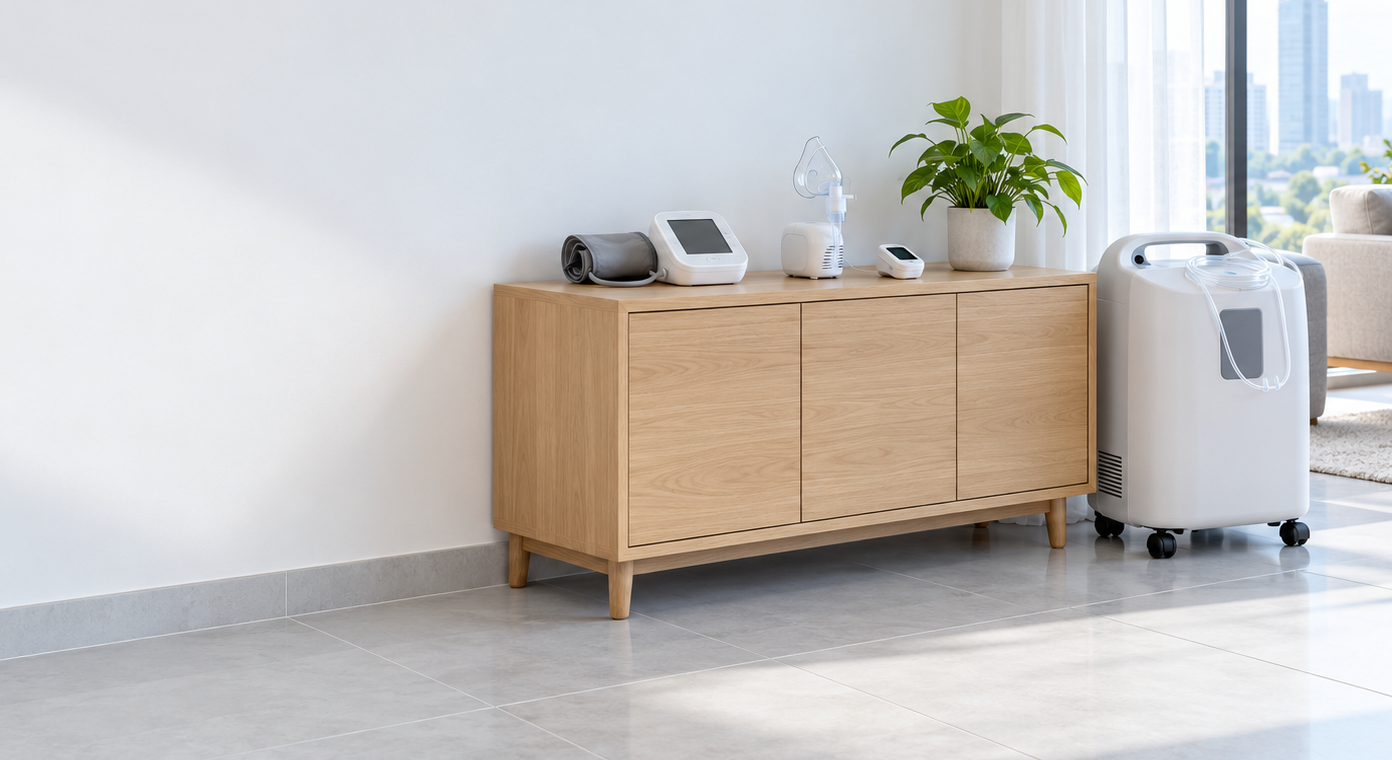
The Yuwell YE660D
Our blood pressure monitors include the Yuwell YE660D, an upper-arm monitor with a wrap cuff. Cuff sizes and features for the exact model are confirmed on WhatsApp, so you know what you are getting before it arrives. You can also browse the full product catalogue or read our home equipment buying guide first.
Delivery across Malaysia
We deliver across Malaysia, whether the family is in Kuala Lumpur, Johor Bahru or Kuching. Many families order one monitor for a parent's house and keep the log on the fridge door where everyone can see it.
This article is general information, not medical advice. Follow the instructions of the doctor treating your family member.
Want help picking a monitor or checking cuff sizes? Message our team on WhatsApp: Check Availability