Keeping a Home Log of Blood Pressure and SpO2 Readings for Your Doctor
A tidy home log turns scattered readings into something the doctor can use. Here is what to record, how to keep it, and how to share it at the clinic.
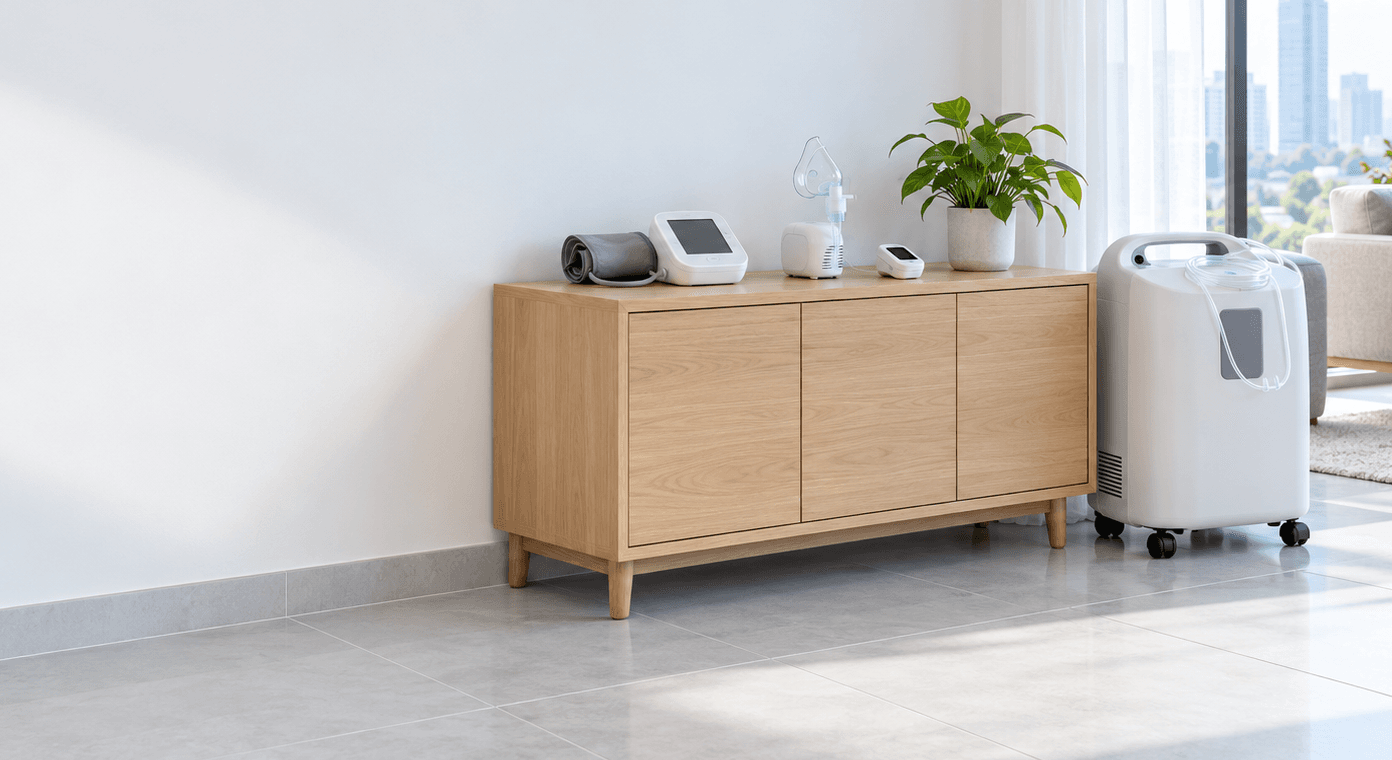
Many families measure blood pressure or oxygen saturation at home, then arrive at the clinic with a few numbers remembered from last week. The doctor asks for more detail and nobody can recall it. A simple home log solves this. It turns scattered readings into a record the doctor can look over in a minute, and it lets everyone in the family see the same information.
Why keep a home log
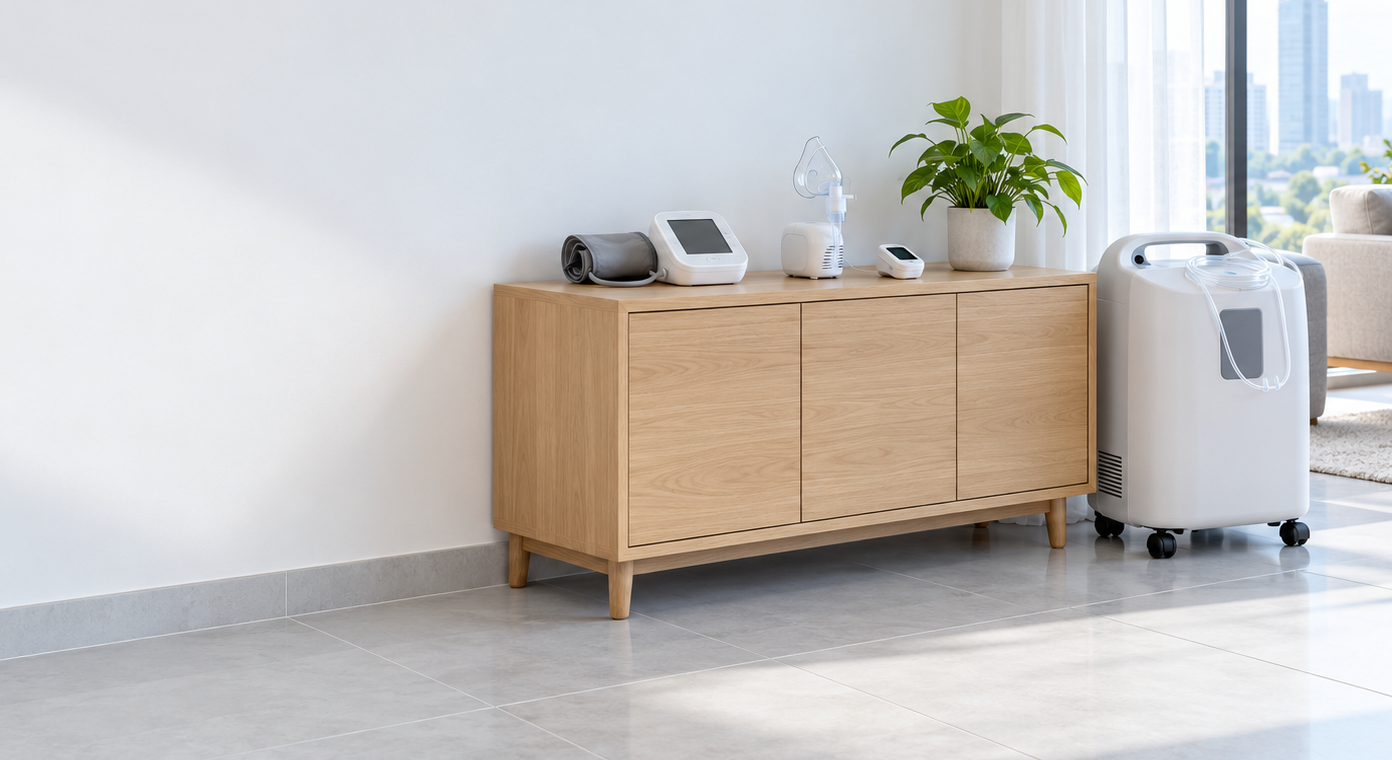
A single reading at the clinic shows one moment, often a stressful one after a long wait and a hunt for parking. Readings taken at home over days or weeks show something different: how things look in everyday life.
What the doctor gains
The doctor can see patterns, such as readings that differ between morning and evening, or changes after a new routine. They decide what the numbers mean and what targets apply. Your job is simply to collect honest readings in a consistent way.
What the family gains
When siblings share caregiving, a log stops the "did anyone check Mak today?" messages. Whoever visits can see the latest entries, and the person living further away can follow along through a photo or a shared file.
What to record each time
Keep each entry short. A log that takes too long to fill in will not last. The columns below cover what most clinics find useful; adjust them if the doctor asks for something specific.
The basics for every entry
- Date and time of the reading.
- The reading itself, written exactly as shown on the screen.
- Pulse rate, since most monitors and oximeters show it.
- Which arm was used for blood pressure, or which finger for the oximeter.
- Who took the reading, if several people help.
Short notes that add context
A few words beside a reading can make it far more useful. Note things like "just woke up", "after climbing stairs", "felt dizzy", "cold hands" or "aircond very cold". If medicine timing matters to the doctor, they may ask you to note when medicine was taken; follow their instructions.
Write every reading, not the best one
It is tempting to measure again and keep only the reading that looks better. Please do not. The doctor needs every reading, including the odd ones, to see what is really happening. If you repeated a reading because of a problem, note why.
One log for both devices
If the person uses both a blood pressure monitor and an oximeter, keep one log with both readings side by side rather than two separate books. It is easier to carry, and the doctor sees everything from the same day together. Leave a blank column at the end for anything unusual.
Paper, phone or the device memory
There is no single right format. Pick the one the person taking the readings will actually use, which is often not the one the tech-savvy grandchild prefers.
A paper notebook or printed table
For many older parents, a notebook with ruled columns works best. Keep it beside the monitor with a pen tied to it. A printed weekly table stuck on the fridge door is easy for visitors to check and easy to photograph for siblings in another state.
A phone note or spreadsheet
Adult children often prefer a shared spreadsheet or notes app. It is easy to sort and share, but make sure the person at home can enter readings without help. A quick photo of the screen after each reading, saved in a dedicated album, is a good backup.
Using the device memory
Many monitors and some oximeters store recent readings. This is handy as a backup, but memory can be cleared when batteries change, and it does not record notes. Treat it as a safety net, not the main log.
Sharing the log with the doctor
The log is only useful if it reaches the doctor in a form they can read quickly. Clinic appointments in Malaysia are often short, so a little preparation helps.
Before the appointment
Bring the original log, not just a summary. If you use a phone, have it open and ready, or print the last few weeks. Mark any readings that worried you so they are easy to find.
Questions to bring along
- Is the way we are measuring at home correct?
- How often would you like readings taken, and at what times?
- What should we do if a reading is very different from usual?
- Is there anything else you want us to note in the log?
Keep a copy
If the clinic keeps the paper log, photograph it first. Start a new page after each visit, with the date of the appointment at the top, so you can tell later what changed and when.
Keeping the habit going
Logs often start well and fade after two weeks. Small habits keep them alive. Tie the reading to something already in the daily routine, such as morning tea or the evening news. Make it a team effort: one sibling checks the log on Sundays, another books clinic appointments.
The right equipment helps
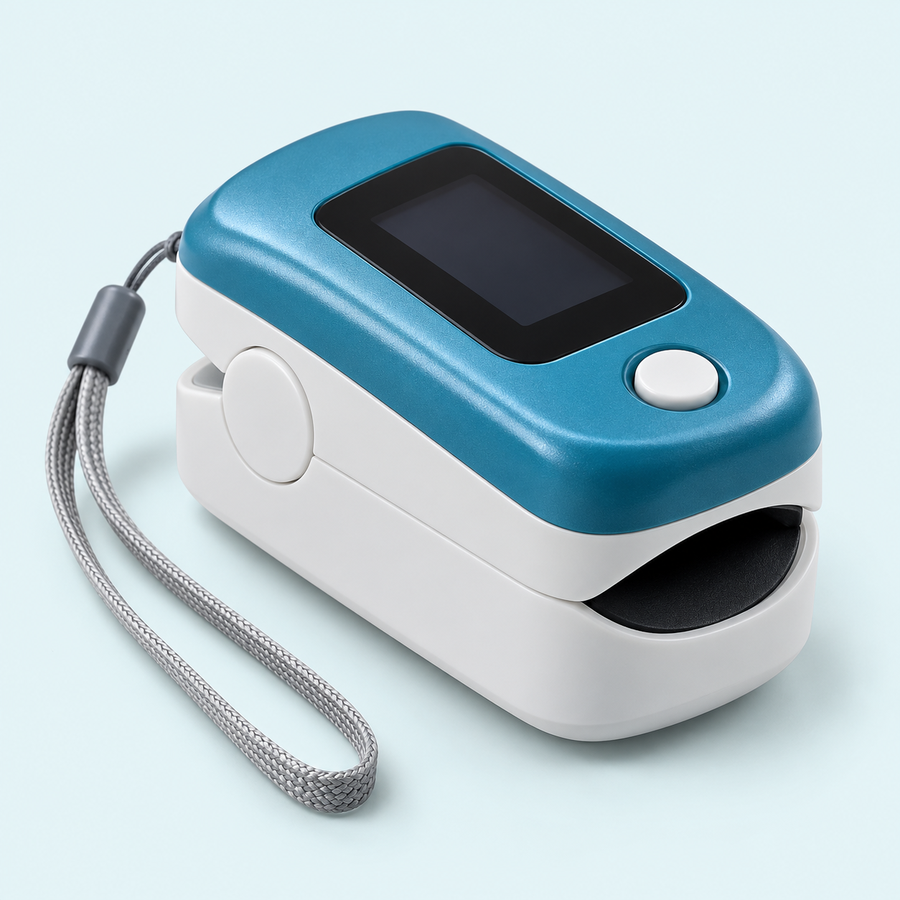
Readings are easier to log when the device is simple to use. Our blood pressure monitors and fingertip oximeters are popular with families keeping a home log, and features for the exact model are confirmed on WhatsApp. See the full catalogue or the buying guide if you are still choosing.
Delivery across Malaysia
We deliver across Malaysia, including Alor Setar, Kuala Terengganu and Petaling Jaya, so a parent's home can be set up wherever they live.
This article is general information, not medical advice. The doctor reads and interprets the log; it is not a tool for self-diagnosis.
Setting up home monitoring for a parent? Message our team on WhatsApp: Check Availability