Planning for Power Interruptions When Someone Uses an Oxygen Concentrator
An oxygen concentrator stops when the power does. A practical household plan for Malaysian families: what to prepare, who to call and what to do during an outage.
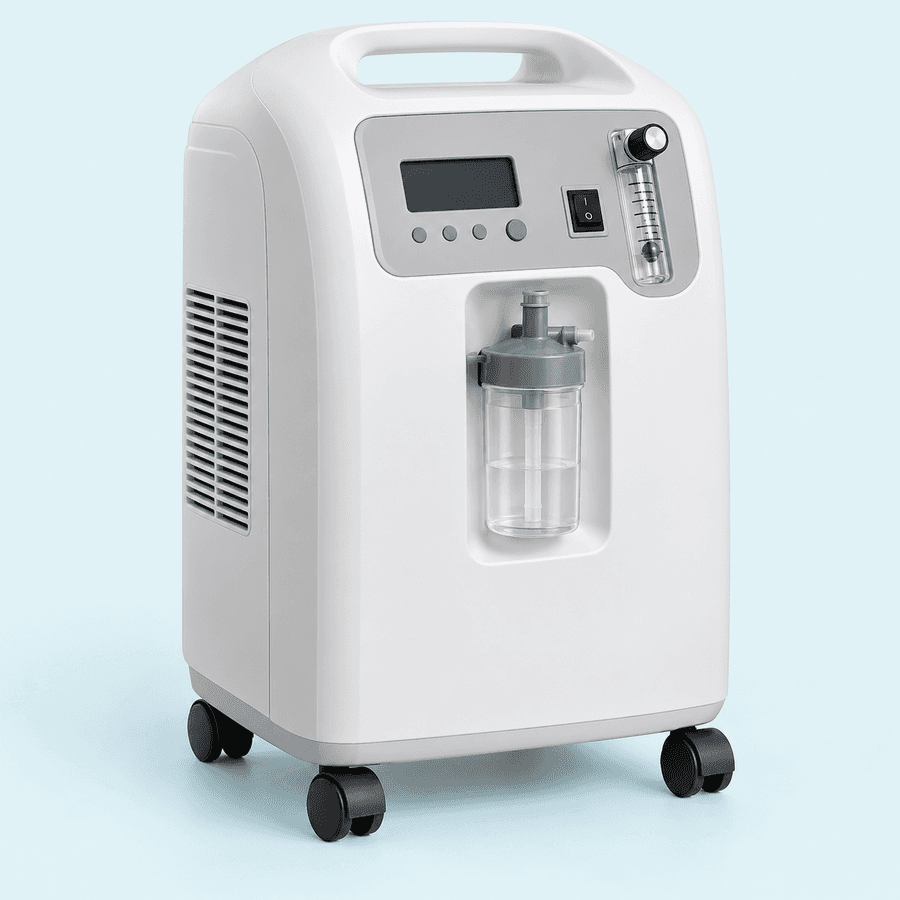
An oxygen concentrator is reliable as long as the electricity is. During a thunderstorm, a scheduled maintenance cut or a flood, the machine stops when the power stops. Families who have thought it through in advance stay calm. This guide helps you build a simple household plan before you ever need it.
This is general household information, not medical advice. Whether a backup oxygen source is needed, and what to do if your parent feels unwell without oxygen, is for the doctor to set out.
Why a plan matters
Most power cuts in Malaysia are short, but not all of them. Heavy monsoon rain on the east coast, a tripped breaker in an older house or planned works in the neighbourhood can leave a home without power for longer than expected.
How a concentrator reacts
Many concentrators sound an alarm when they lose power, and some do not restart on their own. Check the manual for your exact model so everyone at home knows what that alarm sounds like and what the machine does when power returns.
Who the plan is for
The plan is not only for the main caregiver. It should work for whoever is at home: a sibling, a domestic helper, a neighbour or a grandchild. Write it so a person who has never touched the machine can follow it.
Start with one question to the doctor
Ask the doctor directly: if the concentrator stops, how long is it safe to be without oxygen, and do we need a backup? The answer shapes everything else in your plan.
What to prepare before an outage
A good plan is mostly preparation done on a quiet day. Gather these things and keep them in one place near the machine.
A backup oxygen source, if advised
If the doctor recommends a backup, the usual choice is an oxygen cylinder with a regulator. Keep it upright, secured and away from heat, and note how full it is. Make sure at least two people know how to switch over.
An outage kit
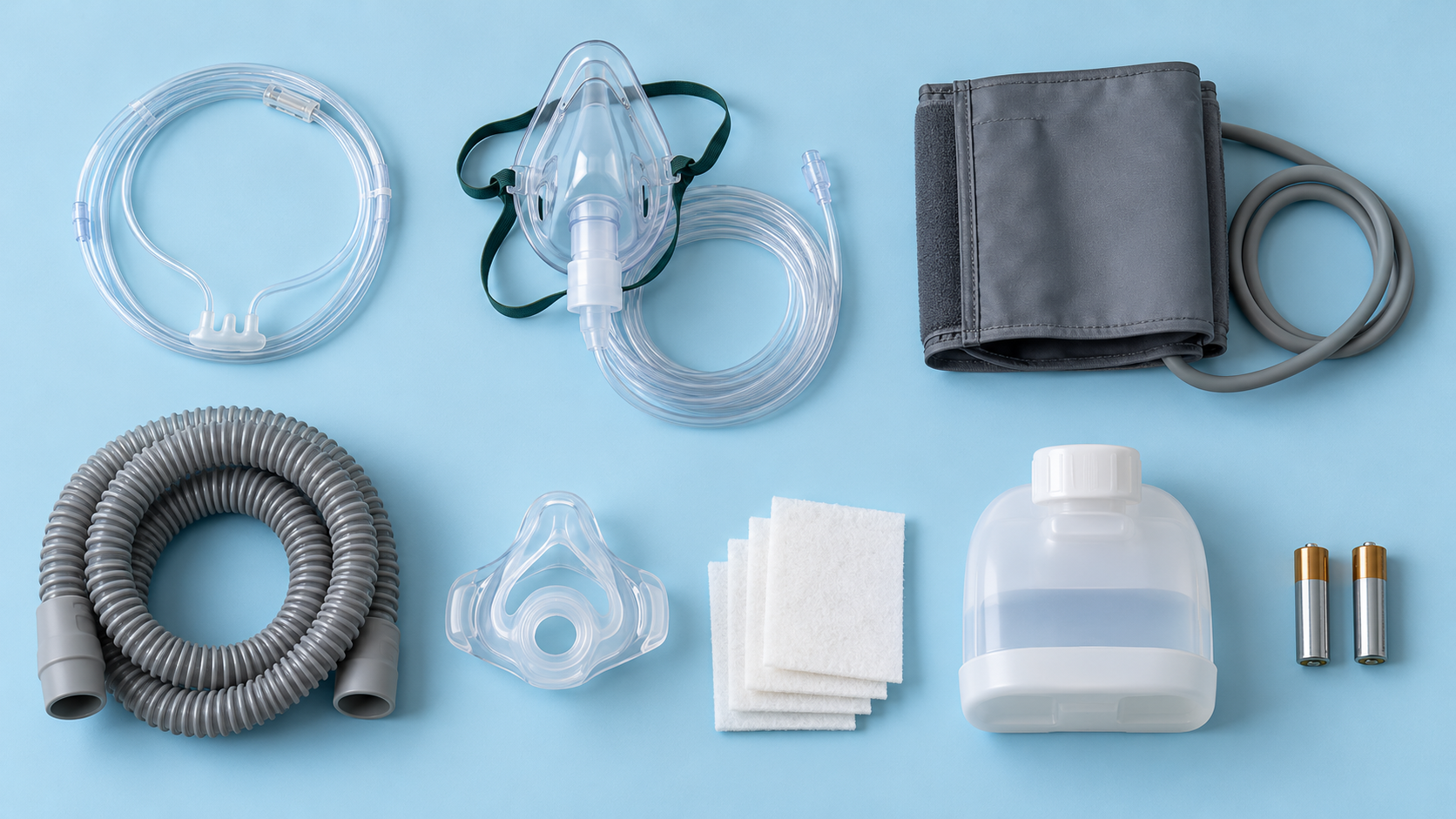
- A torchlight with spare batteries, kept beside the bed (never a candle near oxygen).
- A fully charged phone and a power bank.
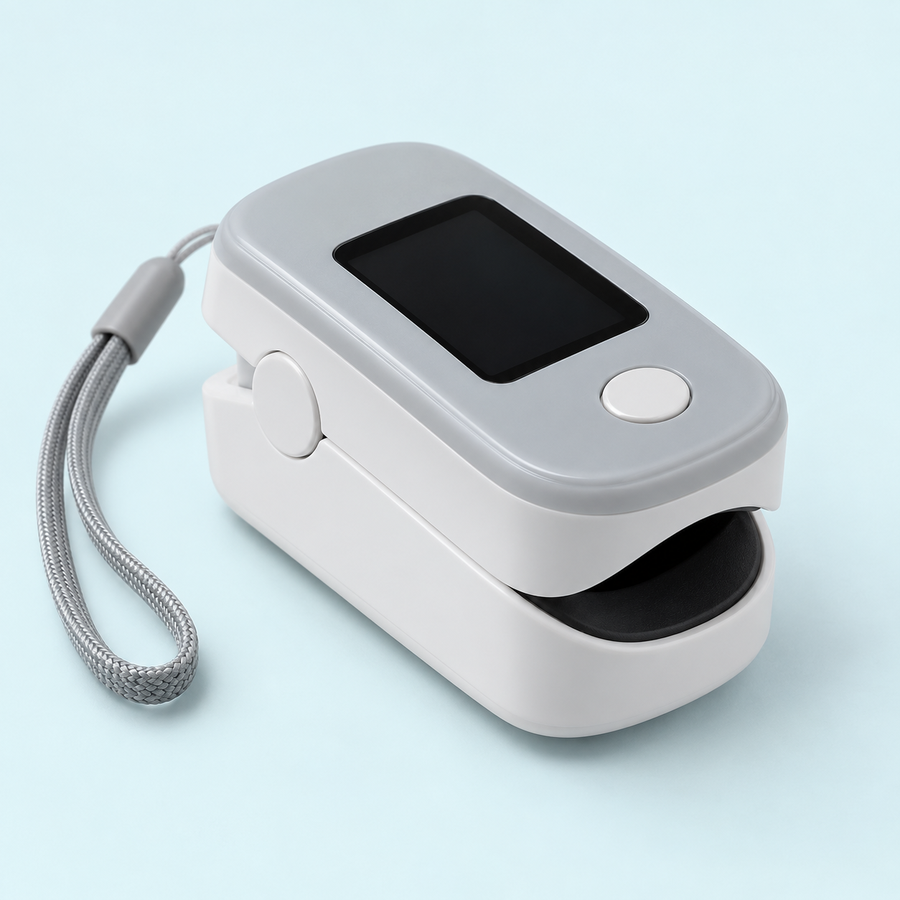
- A fingertip pulse oximeter, so you can note readings for the doctor.
- A printed card with the doctor's number, the nearest hospital and your electricity provider's fault line (TNB, SESB or Sarawak Energy depending on where you live).
- The concentrator manual and the doctor's written instructions.
What about generators and power stations?
Some families ask about portable generators, inverters or battery power stations. Not every concentrator is suited to every power source, so check the manual and ask before relying on one. A petrol generator must never run indoors or near windows because of exhaust fumes.
Tell the people around you
Let close neighbours or the residents' association know that someone at home depends on powered medical equipment. In a longer outage, a neighbour with a car or a working socket nearby can make a real difference.
What to do during an outage
When the lights go out and the alarm sounds, a short, practised sequence keeps everyone calm.
- Stay with your parent and reassure them. Turn on the torchlight.
- Switch to the backup oxygen source if the doctor has advised one, following the steps on your card.
- Switch the concentrator off at the wall so it does not restart on a power surge.
- Note the time, and if you have an oximeter, write down readings to share with the doctor.
- Call the electricity provider's fault line to report the outage and ask for an estimate.
When to get help
If your parent is struggling to breathe, looks unusually drowsy or confused, or their lips turn bluish, do not wait for the power to return. Call 999 or go to the nearest emergency department.
If the outage drags on
For a long outage, the plan the doctor agreed may involve moving your parent to a relative's home with power or to a clinic. Decide in advance who drives and where you go.
Keep the backup cylinder in view
Check the cylinder gauge regularly while it is in use, so you know well before it runs low.
When the power comes back
Power often flickers before it settles. Wait a few minutes, then switch the concentrator back on at the wall and confirm it starts normally.
Check the machine
Look at the display or indicator lights, listen for unusual sounds and check that oxygen is flowing through the cannula. If anything seems wrong, keep using the backup and contact us or the service centre.
Restock the kit
Recharge the phone and power bank, replace torch batteries and arrange a refill if the backup cylinder was used. The next outage will not wait for you to restock.
Keeping the plan current
Review the plan whenever something changes: a new prescription, a new caregiver, a move to a different house or a new machine. A plan that was right last year may not fit today.
Practise once
Do a short dry run on a calm afternoon. Walk through the steps with whoever might be home alone with your parent. It takes ten minutes and makes the real moment far less stressful.
Equipment that supports the plan
Our oxygen concentrator range covers the Yuwell 8F-5AW, 7F-5 Mini and 8F-10, and we confirm the details for the exact model on WhatsApp, including alarms and restart behaviour. A fingertip oximeter is a useful companion for any outage kit, and the full catalogue lists the rest. We deliver across Malaysia, including Kuantan, Kota Bharu and Kuala Terengganu.
Want help putting together a backup plan for your parent's machine? WhatsApp Us and we will go through the options for your exact model.